
Introduction:
The Reflection of Inner Health on Outer Beauty
The skin, the largest organ of the body, and hair, part of the integumentary system, not only play a protective role against environmental factors but also serve as indicators of overall health and external attractiveness. Proper and consistent care of the skin and hair helps maintain their natural function, prevent common issues, and achieve a healthy, radiant appearance.
Understanding the Skin: The Foundation of Effective Care
The skin is composed of various layers and performs vital functions such as temperature regulation, touch sensation, and defense against infections. Recognizing your skin type (dry, oily, combination, normal, sensitive) is the first step in selecting appropriate products and care routines.
Key Principles of Daily Skin Care
An effective skincare routine is the cornerstone of skin health:
- Gentle Cleansing: Washing the skin twice a day (morning and night) with a mild cleanser suited to your skin type to remove dirt, excess oil, and makeup without damaging the skin’s natural protective barrier.
- Moisturizing: Applying a suitable moisturizer after cleansing to maintain hydration, softness, and skin elasticity. Even oily skin types benefit from lightweight, oil-free moisturizers.
- Sun Protection: This is the most crucial step to prevent premature aging (wrinkles, age spots) and skin cancer. Daily use of broad-spectrum sunscreen with at least SPF 30 is essential, even on cloudy days or indoors. Reapply every two hours if exposed to direct sunlight or during sweating.
Managing Common Skin Issues
- Acne: Caused by clogged pores and bacterial activity. Treatments include topical products (containing benzoyl peroxide, salicylic acid, retinoids) and, in severe cases, oral medications prescribed by a doctor.
- Skin Aging: Includes wrinkles, loss of elasticity, and age spots caused by aging and sun exposure. Using sunscreen, moisturizers, and products containing retinoids, antioxidants (such as Vitamin C), and peptides can help.
- Sensitive Skin, Eczema, Rosacea, Hyperpigmentation: These conditions require accurate diagnosis and a specific treatment plan by a dermatologist.
Understanding Hair Health and Care Principles
Hair also follows a natural growth cycle (anagen, catagen, telogen). Proper care helps maintain the health of the hair shaft and follicles.
- Proper Washing: Use a mild shampoo suited to your hair type (oily, dry, colored) and wash with lukewarm water. The frequency of washing depends on scalp oiliness.
- Conditioning: Apply conditioner after shampooing to detangle, soften, and reduce damage to the hair shaft.
- Gentle Drying: Avoid vigorous towel-drying and use a hairdryer on low heat at an appropriate distance.
- Minimizing Damage: Limit the use of heat styling tools (flat irons, curlers), frequent coloring, and bleaching.
Managing Common Hair Issues
- Hair Loss: Can have various causes (genetic, hormonal, nutritional, stress). Accurate diagnosis by a specialist is essential for selecting appropriate treatments (e.g., minoxidil, finasteride, mesotherapy, PRP).
- Dandruff: Scalp flaking caused by dryness, excess oil, or fungal infections. Specialized anti-dandruff shampoos are effective.
- Damage and Dryness: Caused by environmental factors, heat, or chemicals. Nutritive and repairing hair masks and natural oils can be beneficial.
Advanced Treatments for Skin and Hair
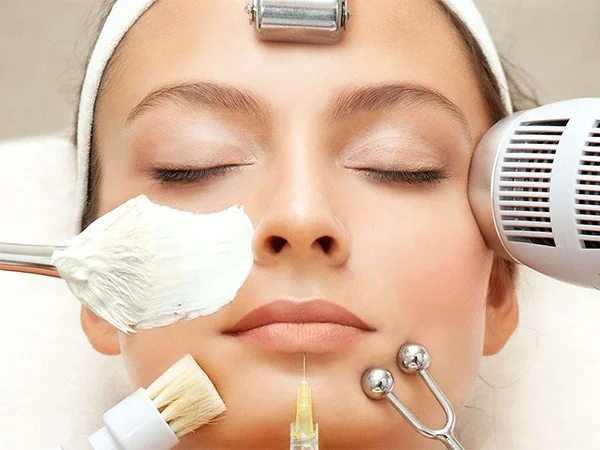
For improving the appearance of skin and hair, specialized treatments such as chemical peels, microdermabrasion, laser therapy (for rejuvenation, pigmentation removal, and hair removal), Botox and filler injections, and for hair, hair transplantation and growth-stimulating treatments are offered by specialists.
Conclusion
Caring for the skin and hair requires awareness, consistency, and the selection of appropriate products and methods. A healthy lifestyle (nutrition, sleep, stress management), combined with a proper care routine and consultation with dermatologists and trichologists when needed, is the key to achieving sustainable beauty and health.


